Embed
Set policy, ownership, budgets, escalation, and contractor expectations.
Human Rights Due Diligence
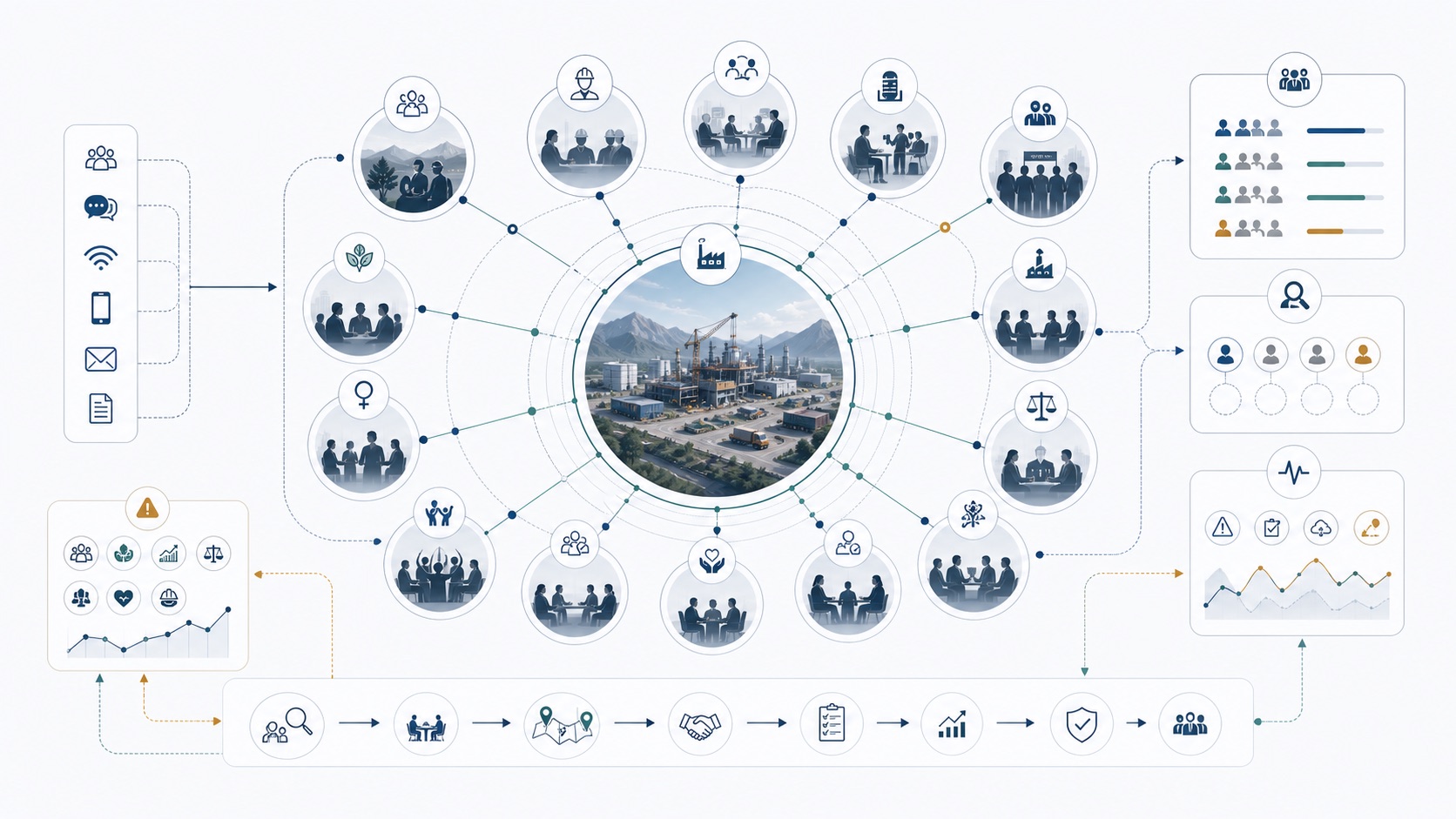
We help cross-border projects and supply-chain partners identify impacts, engage rights-holders, connect findings to operational decisions, and verify whether prevention and remedy work in practice.
HRDD is an ongoing management process. It is not a one-off audit, certification, legal opinion, or guarantee of compliance.
The operating challenge
A project may have policies and audits yet still miss risks carried through contractors, labour agencies, security providers, community relationships, and lower supply-chain tiers.
We connect stakeholder evidence, business relationships, decision ownership, grievance channels, corrective action, and disclosure so that early signals can lead to accountable action.
Operating model
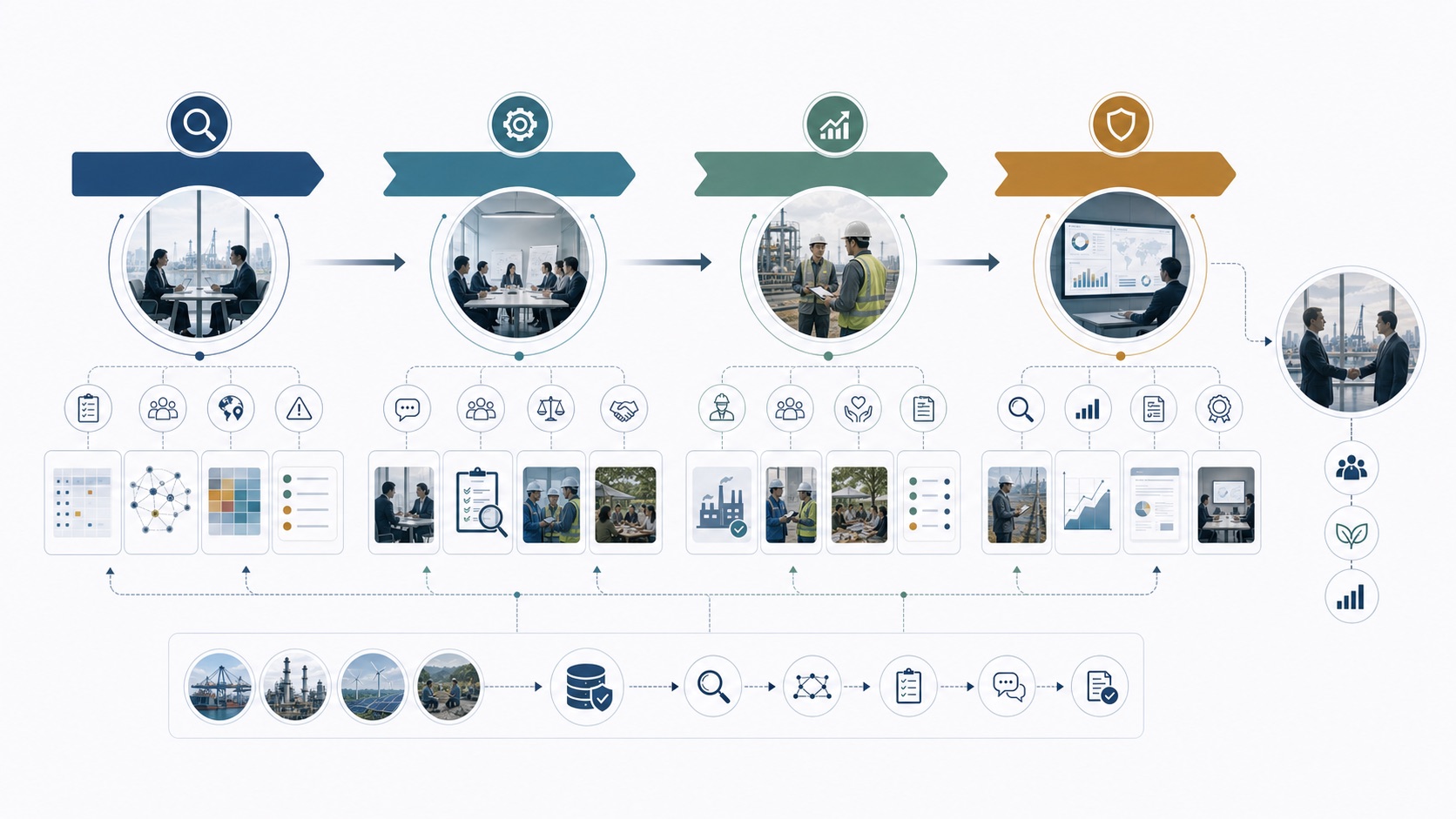
The sequence follows internationally recognized due-diligence logic while remaining adaptable to project stage, sector, geography, and the needs of affected people.
Set policy, ownership, budgets, escalation, and contractor expectations.
Map operations, relationships, stakeholders, and severe-risk pathways.
Engage rights-holders and test evidence, causes, and representation gaps.
Prevent, mitigate, cease, and design remedy with named owners.
Monitor implementation, outcomes, recurrence, and unresolved harm.
Explain methods, limitations, progress, and remedy without creating new risk.
Core workstreams
Modules can begin as a focused diagnostic or be combined into a project-level HRDD programme.
Understand operating context, organizational stakeholders, vulnerable groups, information flows, and issue pathways.
View service scope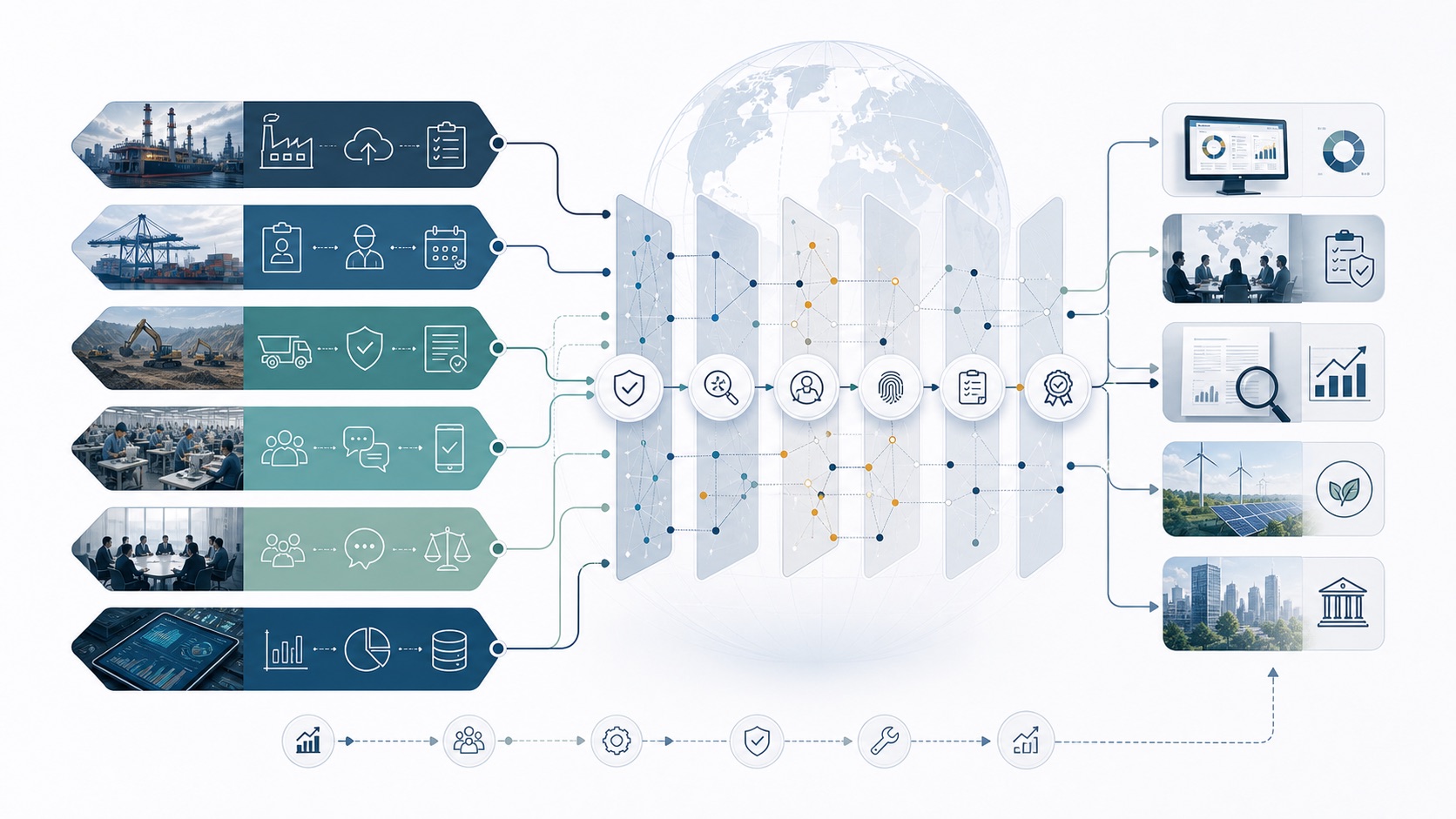
Trace material risks across suppliers, contractors, recruiters, and operational records with clear evidence status.
View service scope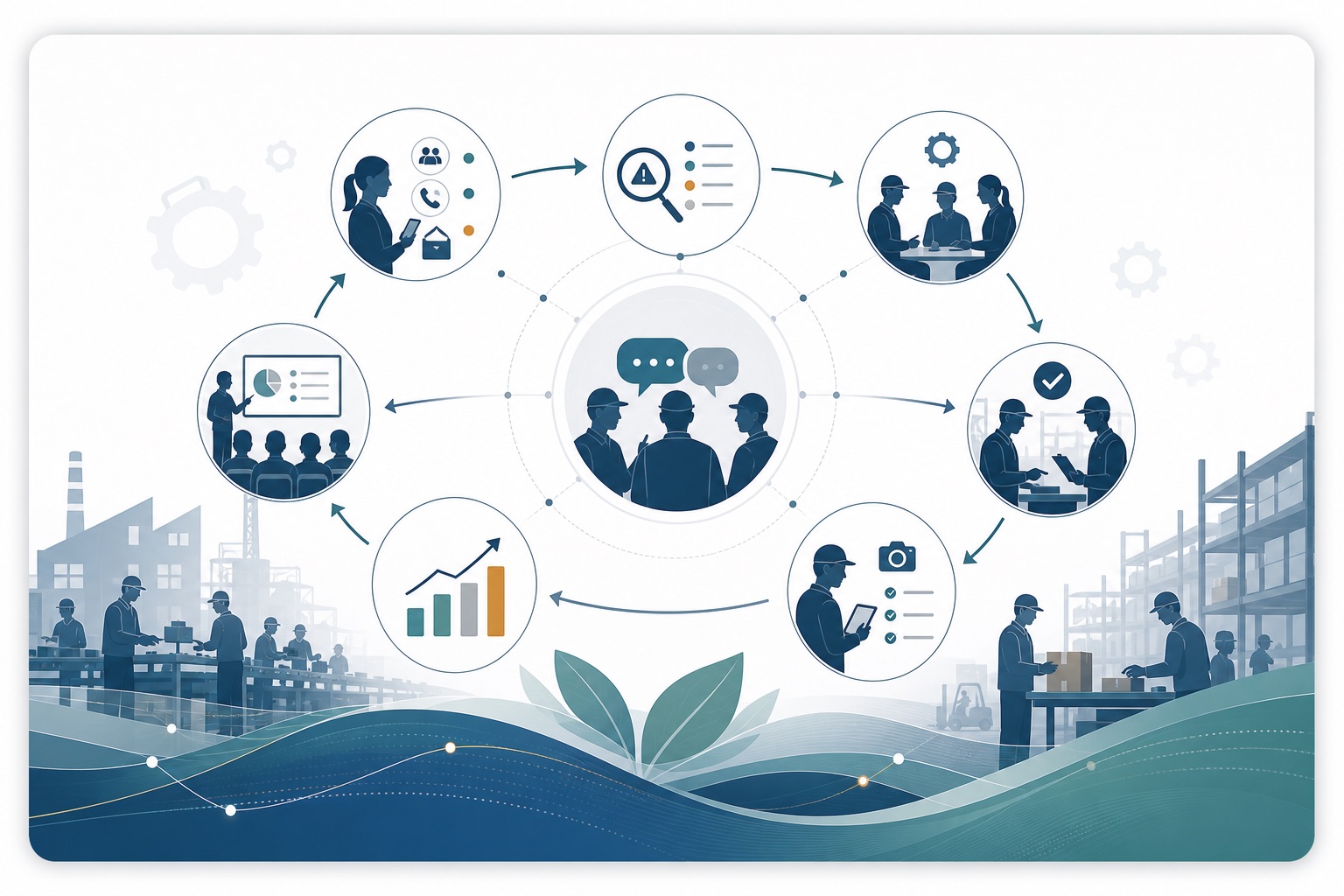
Strengthen safe feedback, grievance access, root-cause analysis, corrective action, and worker-informed verification.
View service scope
Evidence discipline
A focused diagnostic clarifies scope before deeper fieldwork or programme design.